

Living in Dripping Springs, TX: Room to Grow at the Gateway to the Hill Country
What It's Like to Live Here
There's the Dripping Springs people drive through on their way west, and the Dripping Springs you get to know by living here.
Dripping Springs isn't built around one town center the way Wimberley is. It stretches along US 290, with neighborhoods, shopping and services spread out between the edge of Austin and the open Hill Country to the west. Historic Mercer Street holds the town's oldest buildings and a lot of its character, but most everyday errands happen along the highway.
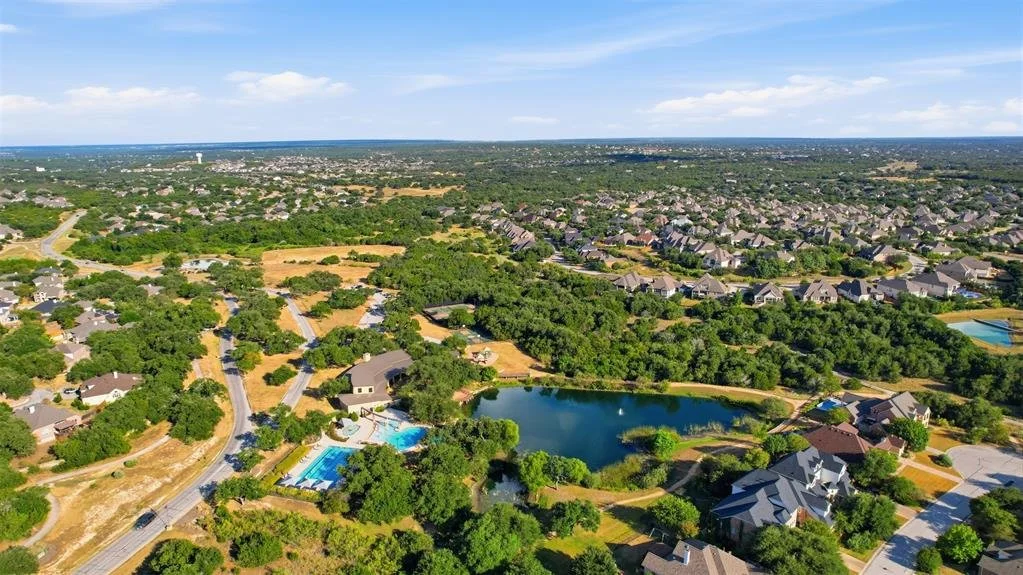
Dripping Springs has grown quickly, and that growth shapes daily life. You'll find newer master-planned neighborhoods with amenities, established subdivisions with mature trees, and acreage where the nearest neighbor is out of sight.
If you’re considering a move to Dripping Springs, there are two big questions to weigh. How close to Austin do you want to be, or would you rather head west toward Johnson City, where the setting gets more rural? And do you love master-planned living, with resort-style pools, trails and amenities, or do you want land and room to spread out?
Everyday Life, Close to Home
Dripping Springs has many of the same charms as other Hill Country towns, with lots of locally owned businesses, but it also has the bigger services that make everyday life easy. There are two larger H-E-B’s (the kind with the fresh tortilla section), plus restaurants, medical offices and more, and a Target, Academy and TJ Maxx are on the way.
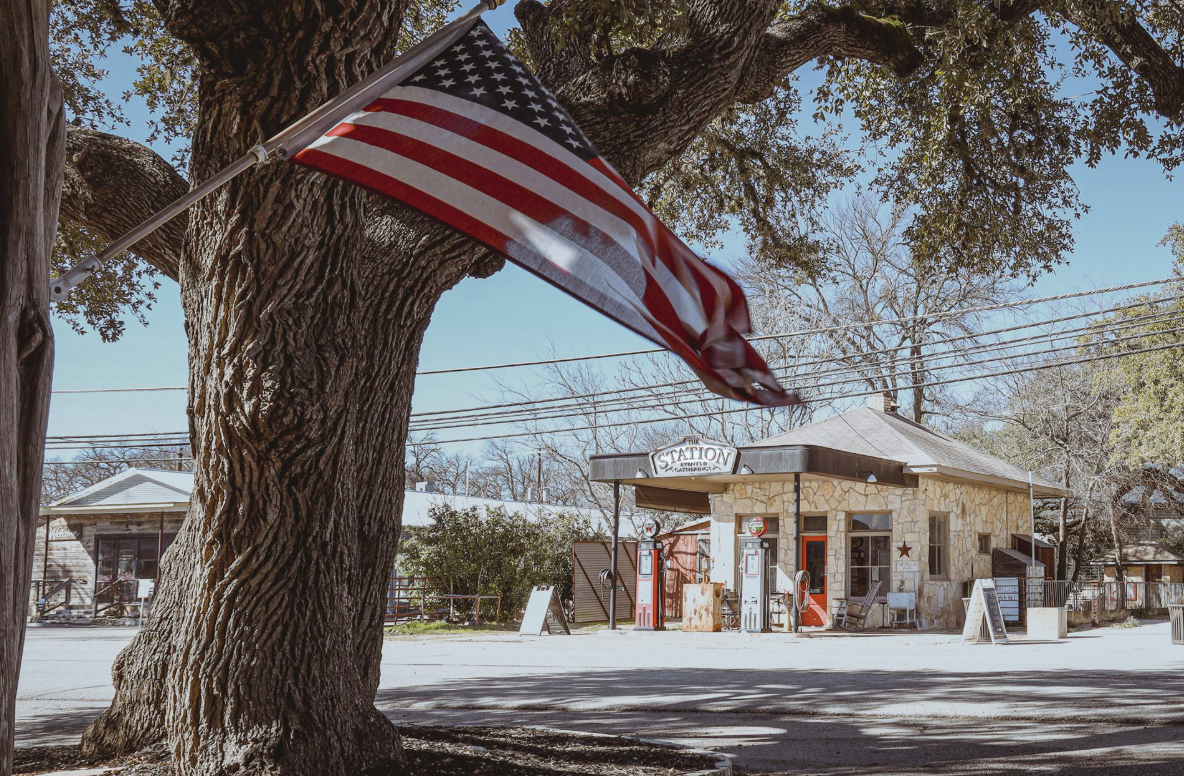
The shopping center at Belterra brings the kind of convenience you'd expect in Austin: multiple restaurants, a movie theater, gyms and more. On the other side of town historic Mercer Street offers a classic main street with older buildings, local shops and places to eat.
When you do head into the city, Austin is roughly 30 minutes away, and Bee Cave and southwest Austin are closer still.
The city's parks are a big part of life here. Founders Memorial Park has playscapes, an outdoor pool, sports fields and a walking trail. Dripping Springs Ranch Park is both a park and an event center, and Charro Ranch Park offers a quieter nature setting. The Dripping Springs Farmers Market is a weekly gathering spot for locals.
Local Spots Worth Getting to Know
Hamilton Pool Preserve
The collapsed grotto and waterfall at Hamilton Pool are one of the most photographed places in the Hill Country, but an insider secret is that the trail leading away from the pool goes down to the river, and that’s just as great. Check Travis County's Hamilton Pool page before you go.
Along the Pedernales River
Reimers Ranch Park has almost 3 miles of frontage on the Pedernales River with miles of trails and unique rock walls and caves that the local climbing community uses often. Pedernales Falls State Park is also close by. It’s one of our favorite state parks for camping, hiking, river time and they even have equestrian trails.
Mercer Street
Leave time to wander rather than treating downtown as a single stop. Many of the buildings along Mercer Street date from 1870 to 1940 and the street is the backdrop for some of the town's favorite traditions.
The biggest is the Founders Day Festival, held in spring for more than 30 years with a parade down Mercer Street, a carnival, live music, a cook-off and vendors. Christmas on Mercer means Downtown is dressed up like a holiday postcard and shops are open special hours. The Songwriters Festival in October is another longtime tradition bringing together local musicians for the weekend. Come by the NestHaven office, right in the heart of Mercer Street, during any of these events. We would love to say hi.
Dark Skies
In 2014, Dripping Springs became the first city in Texas named an International Dark Sky Community. Outdoor lighting rules help protect the night sky, which is something you notice the first clear night on a back porch outside town. Learn more from the city.
Food and Drink Worth Making Time For
Dripping Springs has built a reputation for its wineries, breweries and distilleries, and the restaurant scene has grown right along with the town.
For me, Thyme and Dough has always been a classic for a great breakfast, lunch or bakery treat. Lucky Lab is a favorite coffee shop with fun seasonal flavors, grab and go lunch, bakery items and a great ambiance for meeting clients. Of course, they welcome dogs too! Tillie’s is a perfect date night dinner with a setting that feels like you stepped into a design magazine. Pig Pen is where I would go for a BBQ plate and Abby Jane for some fresh baked bread. Nectarine is my gluten-free go-to and Scout and Honor has the best organic ice cream. The list goes on and on.
Want More Local Picks?
Every couple of weeks I send a short, friendly note about life out here: what’s happening around Wimberley, Driftwood, and Dripping Springs, events worth putting on your calendar, a few properties that caught my eye, and a quick, honest read on the market.
Homes and Land in Dripping Springs
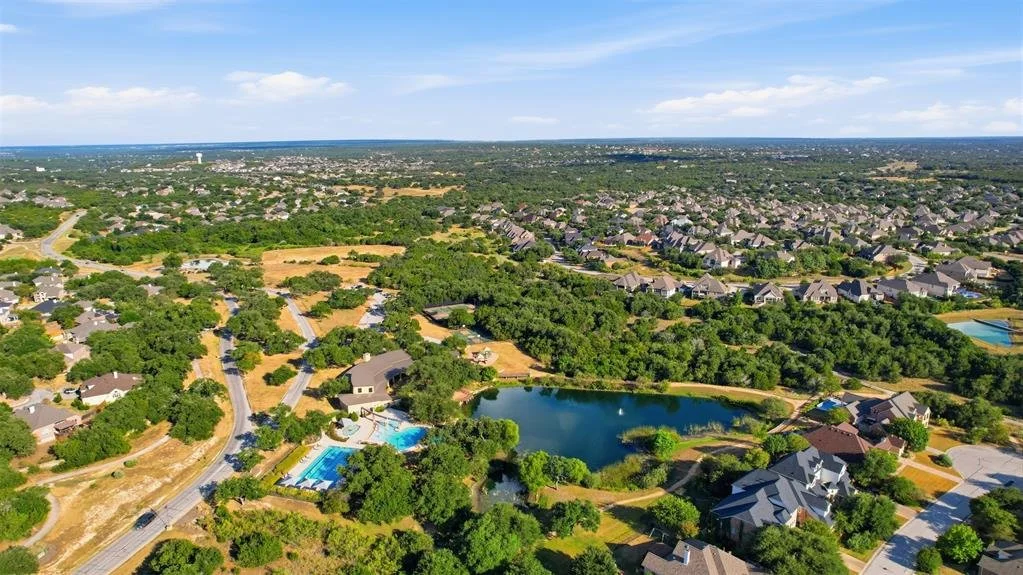
A newer home steps from the neighborhood pool. A limestone ranch house on a few acres. A modern build positioned around a long Hill Country view.
Dripping Springs has more master-planned communities than most of the surrounding Hill Country, and they come with real advantages: newer construction, trails, pools, parks and neighbors close by. But there's a lot of variation beyond them, from established subdivisions with larger lots and mature trees to acreage, ranch land and custom homes on country roads.
Location changes the experience. A home on the east side, closer to Austin, shortens the drive into the city and puts you near the busiest shopping.
Heading west toward Johnson City, acreage can create space for a garden, animals, a workshop or simply more distance between homes, depending on the property's restrictions and terrain.
In a newer neighborhood, we'll look at the amenities, the HOA, the community's future build-out and how it all affects your monthly costs. On land, we'll consider how much acreage actually serves your plans and how much you want to maintain.
When we look at property together, we look beyond the listing description. Is the commute something you'll do every day? Would you trade a bigger yard for a neighborhood pool? Where would the garden go?
If you're selling, these same details help tell your home's story. A thoughtful strategy connects the property's features with the everyday experience of living there, helping buyers understand what makes it worth a closer look.
Things to Know Before You Buy
I've helped people buy and sell in the Hill Country since 2004. These are some of the details I bring into the conversation early, so you understand both what draws you to a property and what owning it will involve.
Look Closely at the Tax Rate
In many newer Dripping Springs neighborhoods, the property tax bill includes more than the county, city and school district tax. Some communities sit inside special districts, such as municipal utility districts (MUDs), that add their own tax or assessment to help pay for roads, water and other infrastructure. Two homes at a similar price can have very different monthly costs. We'll look up the actual taxing entities and total rate for any home you're considering.
Confirm the Water and Wastewater Setup
How a home gets water and handles wastewater depends on where it sits. Some properties connect to city or regional water and wastewater service, while others rely on a water supply corporation, a private well, rainwater collection or a septic system. We'll confirm the provider for each property, and for wells or septic, look at records, inspections and maintenance needs before you commit.
Being a local, I have a lot of relationships and connections to service providers for all of the things you will want to check out.
Check the County and the City Limits
The Dripping Springs area spans more than one county, mostly Hays with some areas in Travis, and many homes sit outside the city limits. County, city limits and extraterritorial jurisdiction (ETJ) can affect permitting, services, schools, and taxes. A Dripping Springs mailing address alone doesn't tell you which rules apply.
Read the Restrictions Before Making Plans
An HOA, deed restrictions, easements and development requirements can all shape how you use a property. Whether your plans include animals, a workshop, a guesthouse, short-term rental or event use, ask specific questions and review the documents.
Walk the Land With Everyday Life in Mind
Total acreage is only one part of the picture. Walk the property and consider slopes, access, fencing, drainage and the areas you'd use most. Think through ordinary tasks, like the school run, deliveries and getting into town. The right property should support the life you want beyond the day you first see it.
For sellers, gathering permits, surveys, HOA documents and maintenance records early helps answer the questions buyers are likely to ask.
Getting Around
Dripping Springs sits at the crossroads of US 290 and RR 12, which makes it one of the easier Hill Country towns to commute from. Use these approximate drive times as a starting point:
Austin: about 30 minutes (roughly 25–30 miles), depending on where you start and traffic
Austin-Bergstrom International Airport: about 45–60 minutes
Wimberley: about 15–20 minutes, depending on your starting point
Bee Cave / Lakeway: about 15–20 minutes
A property farther outside town can change the calculation. Country roads, gates and long driveways add time that a town-to-town estimate won't capture.
What Should I Know About Schools?
Dripping Springs ISD serves most Dripping Springs addresses. The district has nine schools: six elementary schools, two middle schools and one high school, with more than 8,900 students. Within the district, a property's attendance zone determines its assigned campuses, and growth has brought attendance-zone changes in recent years, so confirm current assignments for any home you're considering.
Not every Dripping Springs mailing address is in DSISD. Homes near the edges of the area can fall in neighboring districts, so a mailing address alone doesn't confirm school assignments.
As you compare, look into the programs that matter to you, campus locations, transportation and the drive between home and school. Confirm current assignments directly with the district for each property.
As a DSISD Certified Realtor, I can help you navigate district resources and put those location differences into context as part of your home search.
Dripping Springs FAQs
Is Dripping Springs a good place to live?
For people who want Hill Country space and community with easier access to Austin, Dripping Springs is a strong fit. It offers everything from newer neighborhoods to acreage.
Are there a lot of master-planned communities in Dripping Springs?
Yes, more than in most Hill Country towns, but there's also plenty of variety: established subdivisions, larger lots, acreage and ranch land.
Why do property taxes vary so much between neighborhoods?
Some neighborhoods are in special taxing districts, such as MUDs, that add to the base rate. Always check the total tax rate for a specific property before you buy.
What school district serves Dripping Springs?
Dripping Springs ISD serves most of the area. Some addresses near the edges fall in other districts, so confirm school assignments with the district for a specific property.
Let's Talk Dripping Springs
Whether you're comparing towns, looking for your next home or thinking about selling, let's start with what matters most to you. I'm Anna Untersee, a Wimberley local and Hill Country Realtor with NestHaven Properties, and I'll help you understand your options and build a thoughtful plan for what comes next.
